Lakeland Community Hospital — a modest 25-bed critical access facility — has long been the difference between a treatable emergency and a dangerous delay. Now, according to a September 10 announcement from the U.S. Department of Health and Human Services, that lifeline is about to receive reinforcement: nearly $25 million in federal awards flowing toward small rural hospitals across the country, with Lakeland among the recipients whose stories the funding is designed to protect.
A hometown hospital, newly armed
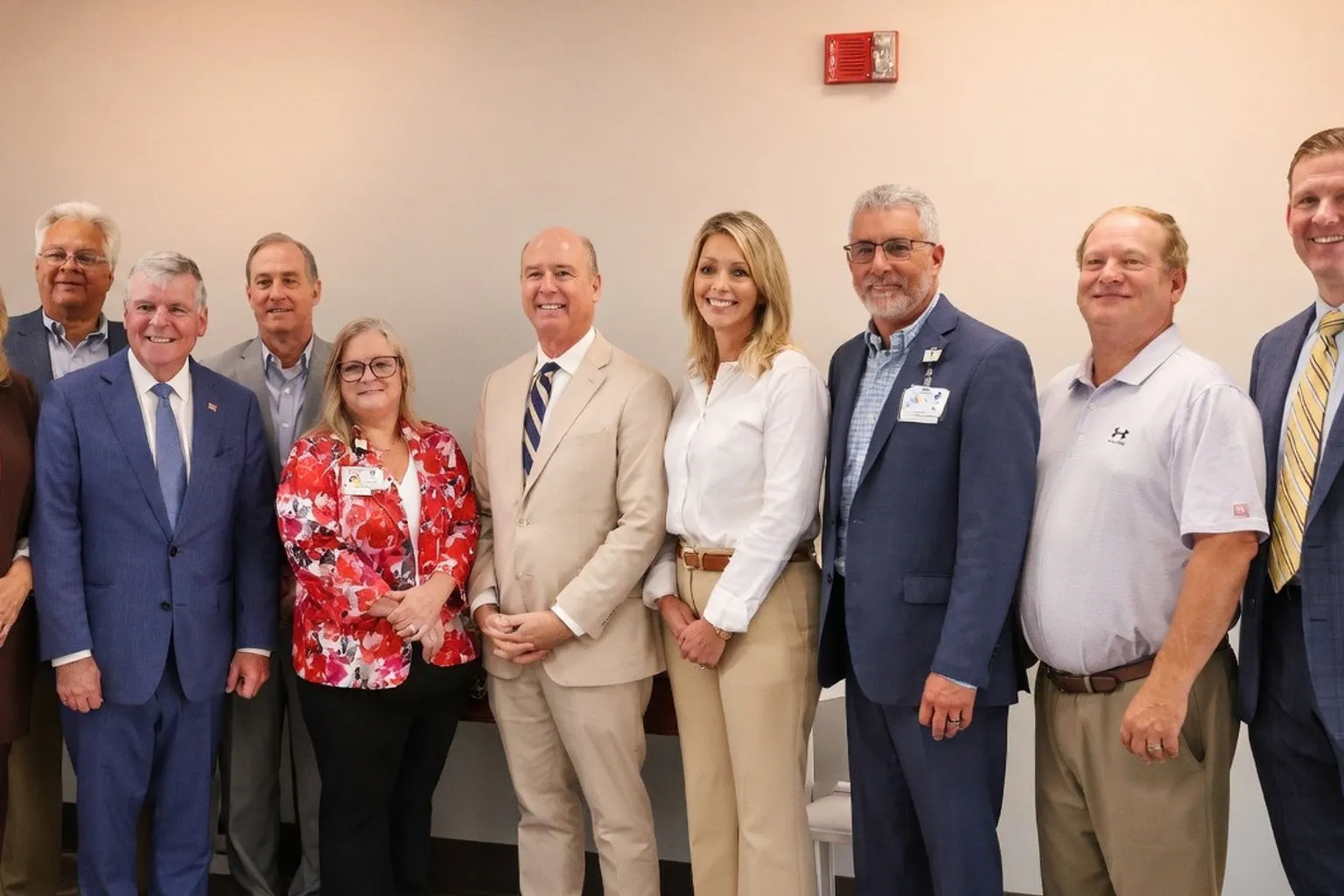
The investments reached Lakeland during a Rural Healthcare Champions Recognition Event held Thursday in Haleyville, where U.S. Rep. Robert Aderholt and Health Resources and Services Administration Administrator Thomas J. Engels gathered alongside hospital, community, and Huntsville Hospital Health System leaders. Aderholt, who chairs the House Appropriations Subcommittee on Labor, Health and Human Services, Education, and Related Agencies, framed the moment as the culmination of groundwork he had championed from Washington — and as something close to home in every sense. The congressman noted he was particularly proud to be making the announcement in his hometown of Haleyville, at his hometown hospital.
The headline program — the Rural Hospital Provider Assistance Program, administered through HRSA's Federal Office of Rural Health Policy — is a new federal initiative built to help eligible rural hospitals maintain providers and the essential services that keep their doors open. For Lakeland specifically, the support arrived as a layered intervention. In July, HH Health entered an agreement with the Health Care Authority of the city of Huntsville and the Health Care Authority of Haleyville and Winston County aimed at keeping Lakeland a viable hospital for northwest Alabama. Separately, Lakeland received $490,800 through the Alabama Rural Health Transformation Program to implement telehealth technology and establish a non-emergency transportation program for rural patients — practical tools for patients who cannot easily reach a clinic on their own.
Why a county hospital matters beyond its walls
For the nurses, technicians, and night-shift staff at Lakeland, the daily rhythm has always been shaped by geography. Winston County residents depend on the facility for emergency care, testing, treatment, and other essential services without leaving their community. Losing it would not simply inconvenience patients; it would reroute ambulances, delay diagnostics, and pull working families away from jobs and caregiving responsibilities during already fragile moments.
The hospital's leadership is treating the new funding as fuel for that mission rather than a symbolic gesture. Cherie E. Sibley, president and CEO of Lakeland Community Hospital, said the investment gives the team new tools to reach patients while supporting the essential care neighbors rely on every day. Roger Hayes, chairman of the Health Care Authority of Haleyville and Winston County, pointed to the hospital's broader role as an anchor institution — one that provides jobs, supports local families, and contributes to the stability of the wider community.
What to watch as the money moves
The practical question now is how quickly the resources translate into visible changes for patients. The telehealth rollout and the non-emergency transportation program are the two most concrete deliverables tied to the Alabama Rural Health Transformation Program funding, and both directly address the barriers — distance, mobility, and broadband — that have historically pushed rural residents to delay or forgo care. Meanwhile, the larger $25 million federal allocation signals a broader appetite to preserve the small-hospital model that communities like Winston County depend on. For readers tracking rural healthcare access, the next milestones to follow are how HRSA distributes awards across other eligible rural facilities and whether the new provider-assistance program stabilizes staffing in counties where recruitment has long been the hardest lift.