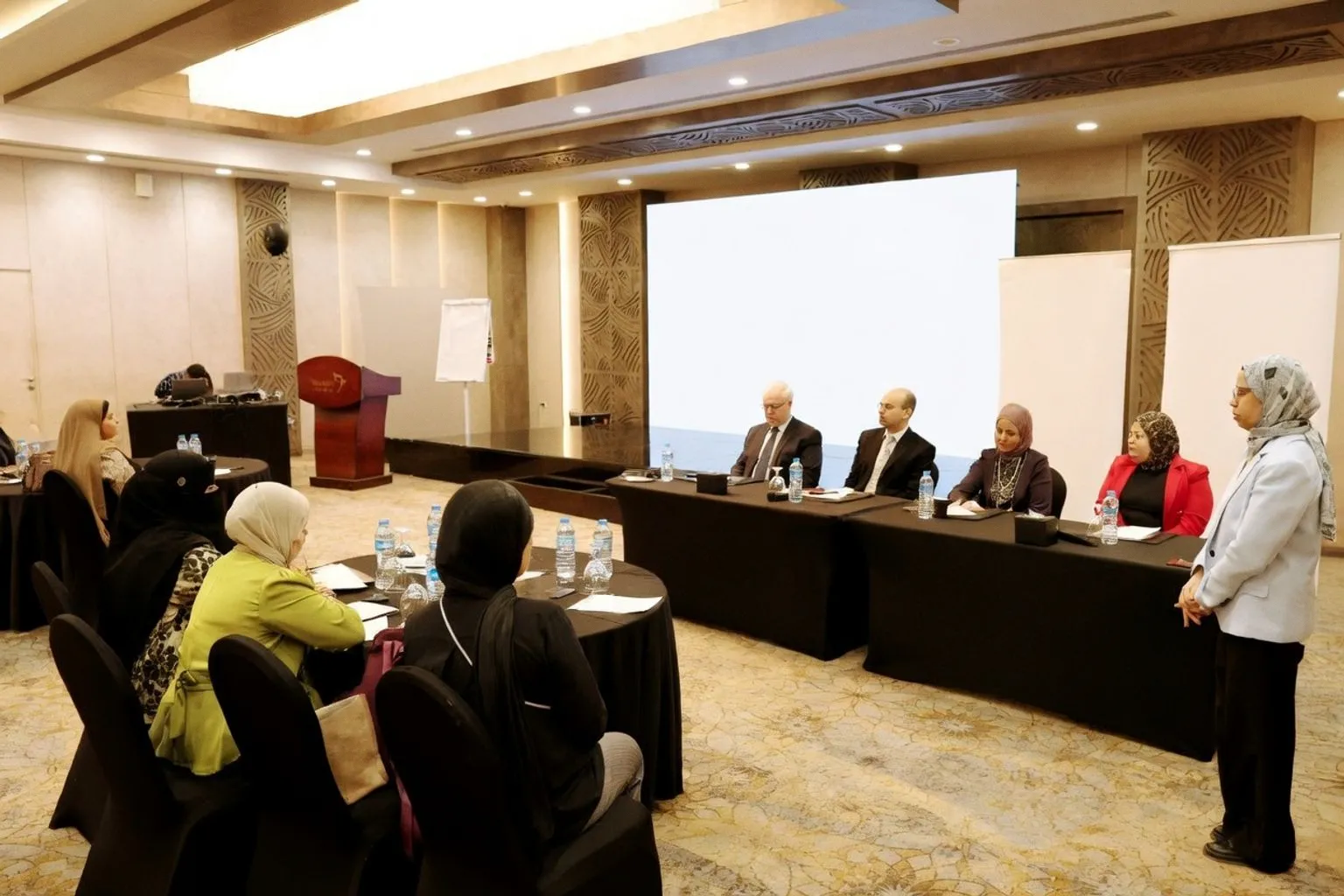
The workshop, convened by Egypt's Ministry of Health and Population with Pandemic Fund support and WHO Egypt technical assistance, targeted vaccine-preventable disease surveillance — a structural intersection where specialized academic pediatric and immunology services meet national immunization monitoring. For charitable and community health networks, the initiative indicates how tertiary centers are being formally integrated into routine case-finding pipelines rather than functioning as parallel referral endpoints.
Training scope and operational focus
The curriculum addressed five logistical domains: early detection of vaccine-preventable diseases, investigation and reporting protocols, specimen collection and management, surveillance data recording, and inter-agency coordination between university hospital teams and MOHP surveillance units at central and governorate levels. Participants concentrated on two priority conditions — primary immunodeficiency disorders and congenital rubella syndrome — both requiring diagnostic capability concentrated in academic pediatric and immunology departments rather than distributed across general healthcare facilities.
University hospitals occupy a defined position within this surveillance architecture. Their specialized services are positioned to identify cases requiring closer monitoring and connect them with national reporting structures. Early detection of primary immunodeficiency carries direct operational weight for polio surveillance: affected individuals can shed poliovirus for extended periods, creating reservoirs that complicate eradication timelines. Congenital rubella syndrome surveillance, in parallel, supports measles and rubella elimination by flagging suspected cases among infants — a data stream that primary care reporting alone has not consistently produced.
Infrastructure implications and utilization rates
The workshop reflects a recalibration of resource allocation across the surveillance pipeline. With twelve sentinel sites now formally designated for specialized case detection, the burden shifts from passive reporting to active hospital-based identification. The Ministry's coordination framework establishes a defined channel between university immunology services and national immunization programmes — a protocol that, if maintained, could reduce time-to-detection for both immunodeficiency-related polio risks and congenital rubella presentations.
The structural components — designated sentinel status, standardized training across a cohort of 70, defined reporting channels, and specialization in two underdiagnosed conditions — are now documented. What remains unverified is the durability of funding beyond the current Pandemic Fund cycle and whether the trained cohort translates into measurable changes in case-finding output at the twelve sites. The infrastructure is in place; sustained utilization will determine whether the initiative functions as a permanent surveillance layer or a discrete project cycle.