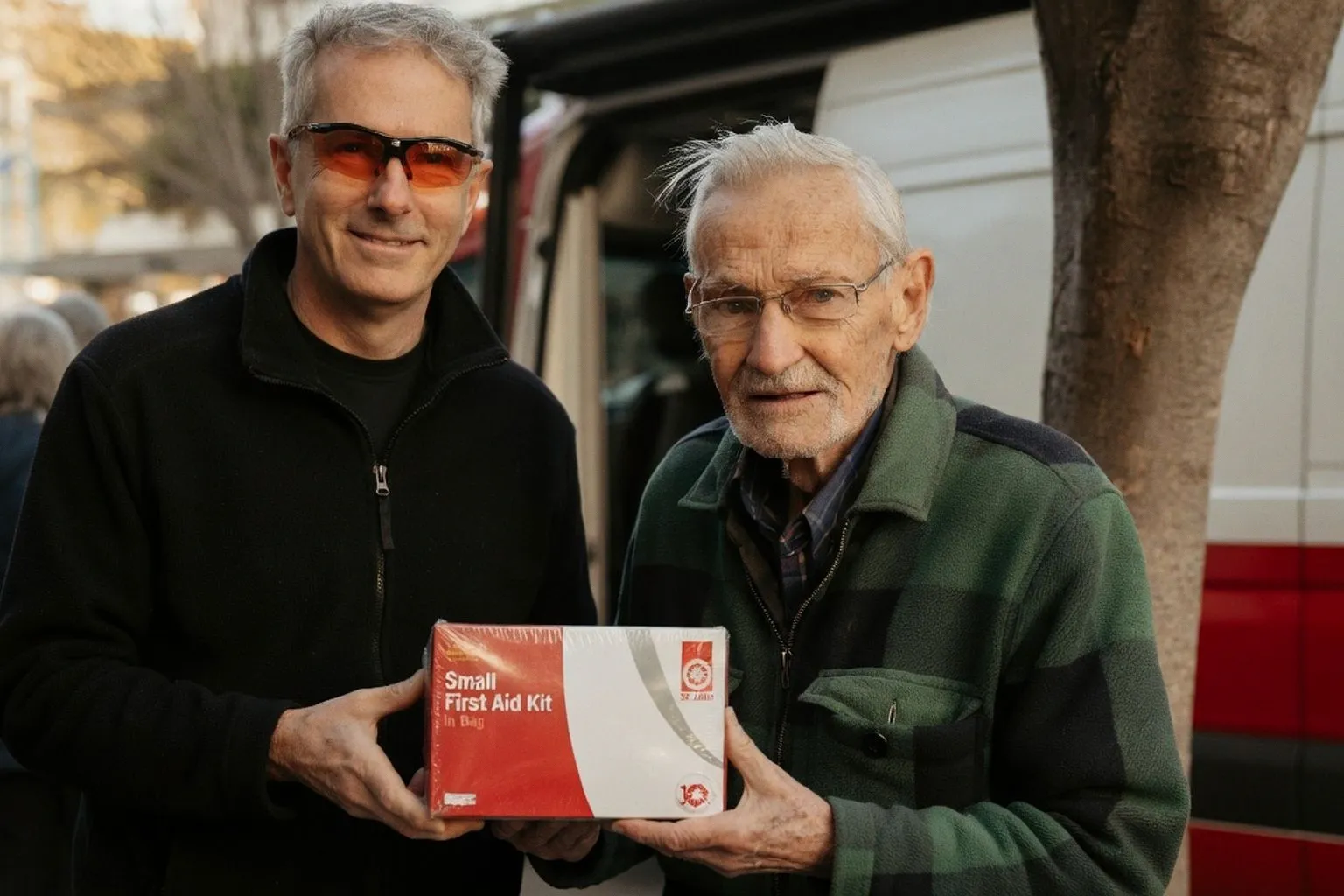
The intervention targets a measurable structural deficit in primary wound-care infrastructure — a gap where minor abrasions among unhoused populations routinely escalate into infections requiring acute hospitalization. For charitable healthcare delivery, the event models a low-cost coordination template between volunteer clinical labor and supplementary supply partners.
Clinic logistics and volunteer infrastructure
Street Side Medics operates a fixed weekly schedule: 5pm to 7pm on Thursdays, Genge Street in Civic, outside the Vinnies food bank and adjacent to The Griffin Centre. The clinic deploys a rotating cohort of volunteer doctors, nurses, and managers. Intake operates without Medicare card verification — a protocol that removes the primary administrative barrier to utilization among people experiencing homelessness. According to St John Ambulance ACT chief executive Martin Fisk, unhoused individuals lack reliable access to clean water and sterile dressings, conditions that convert manageable injuries into infection cases requiring significant medical intervention. The 100-kit distribution is positioned to interrupt that progression at the point of injury.
Engagement gap and the self-care layer
Volunteer manager Mark Ginswick reported that the patient population presenting at the mobile clinic includes individuals who have not engaged with the formal medical system for extended periods. The first aid kits function as a distributed self-care layer — a resource that persists with the patient after the Thursday session closes, extending the intervention window between clinic visits. This redistributes cost burden from acute hospital utilization toward primary prevention. Published utilization metrics and downstream follow-up data for the Street Side Medics cohort remain absent, limiting the ability to quantify system-level impact against emergency department baselines.
What to monitor
- Recurrence of mobile clinic sessions and the replenishment cycle for first aid kit supplies.
- Documentation of downstream hospitalization and infection rates among unhoused patients exposed to early wound-care intervention.
- Replication of similar volunteer-and-supply-partner coordination models in other jurisdictions operating established volunteer GP infrastructure.
- Inclusion of formal evaluation frameworks linking kit distribution to measurable reductions in emergency department utilization.