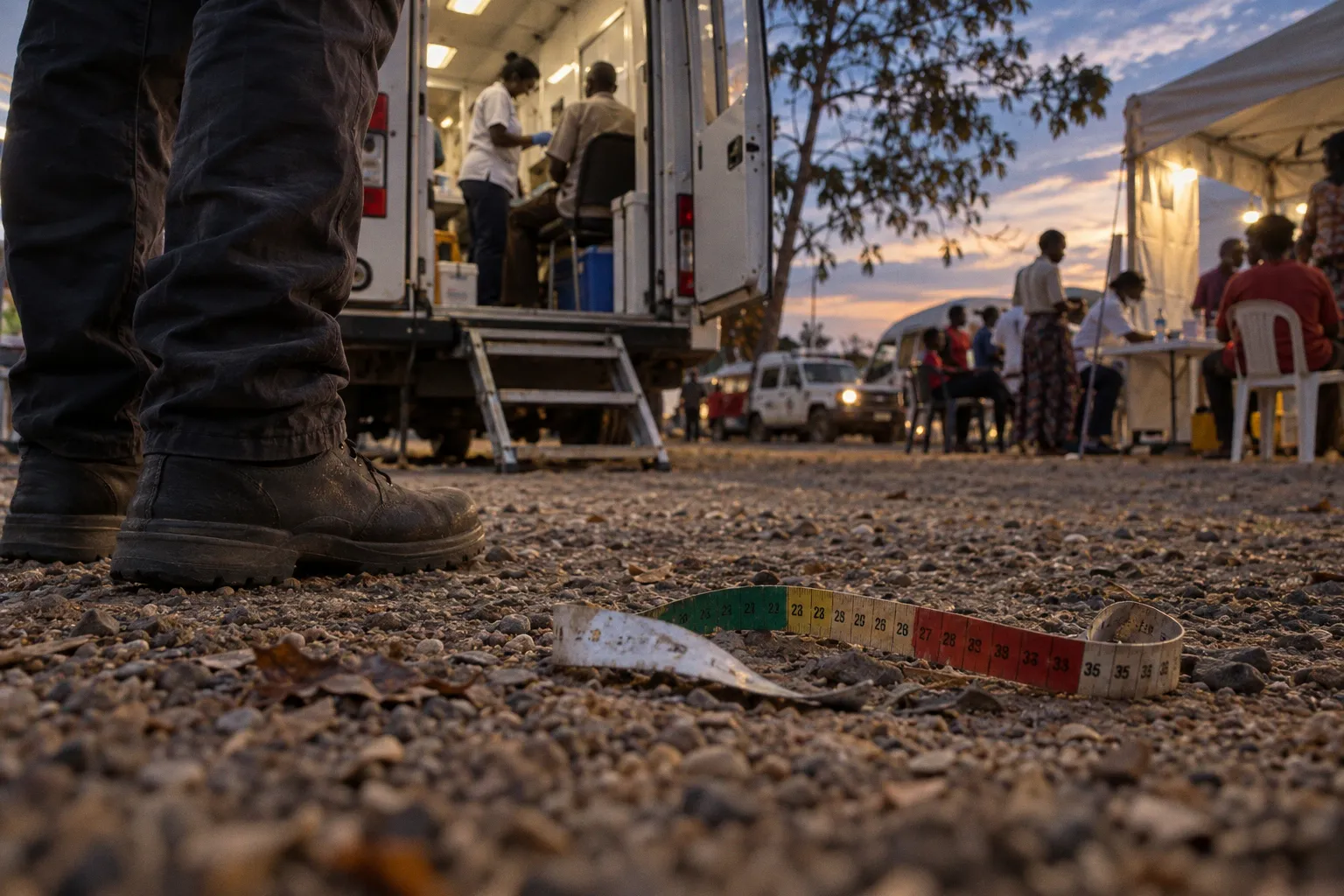
A synchronized blood drive across Uganda on September 16, coordinated by BAPS Charities in partnership with Uganda Blood Transfusion Services, drew donors to regional centers in a single day — communities in Kampala, Jinja, Tororo, Soroti, Lira, Kitgum, and Mbarara were engaged, according to the charity, to bolster national hospital reserves. The numbers behind that aim remain unstated. In a country where transfusion needs routinely outpace stock, the gap between a one-day mobilization and a functioning supply chain is the part worth examining.
The optics of a single Saturday
BAPS Charities frames the drive as a synchronized nationwide effort — eight centers, one partner agency, one tidy narrative of community solidarity. Such narratives are not scarce across low- and middle-income blood systems. What is scarce is the inventory downstream once the narrative ends and the logistics begin. Uganda Blood Transfusion Services, the actual custodian of the country's reserve architecture, is the entity that absorbs the consequences of any structural shortfall. A campaign-day donation, however well-coordinated the photo opportunities, is not a substitute for that architecture.
What patients rarely see in the post-drive press is the cold-chain question: how many units collected actually reached storage, how many were screened, typed, and cleared within their usable window, and how many of those units eventually sat at the bedside of someone who needed them. Those metrics are absent from the announcement — and they are precisely the metrics a clinician would ask for.
A small college, a smaller number
Three days later and half a world away, the Red Ribbon Club of Jubilee Memorial College in Mokokchung, Nagaland, ran its own version of the ritual. On September 19, in partnership with the District Integrated Strategy for HIV/AIDS (DISHA), the club organized a combined awareness and blood donation camp. The programme bundled HIV/AIDS prevention sessions, TB awareness with free X-ray screening, and a blood drive coordinated with the Mokokchung Blood Centre. Fourteen people donated: ten students, three faculty or staff members, and one additional staff member.
Fourteen units is not a system. It is, however, a model that scales when replicated — small, named, locally accountable. The contrast with a multi-city branded campaign is not moral; it is operational. One event generates a press release. The other generates a list of regular donors a regional blood centre can actually call on.
What the patient should verify
For anyone arranging transfusion logistics on behalf of a patient — or simply asking a hard question at the receiving facility — the lesson from both events is identical: a drive is a moment, not an inventory. Before relying on advertised reserves, ask the facility which regional blood service currently holds its stock, what the screening turnaround is, and whether donor recruitment runs year-round or compresses into seasonal campaigns. Whether either of these September campaigns actually moved the dial on hospital supply — that is the question the press releases will not answer.