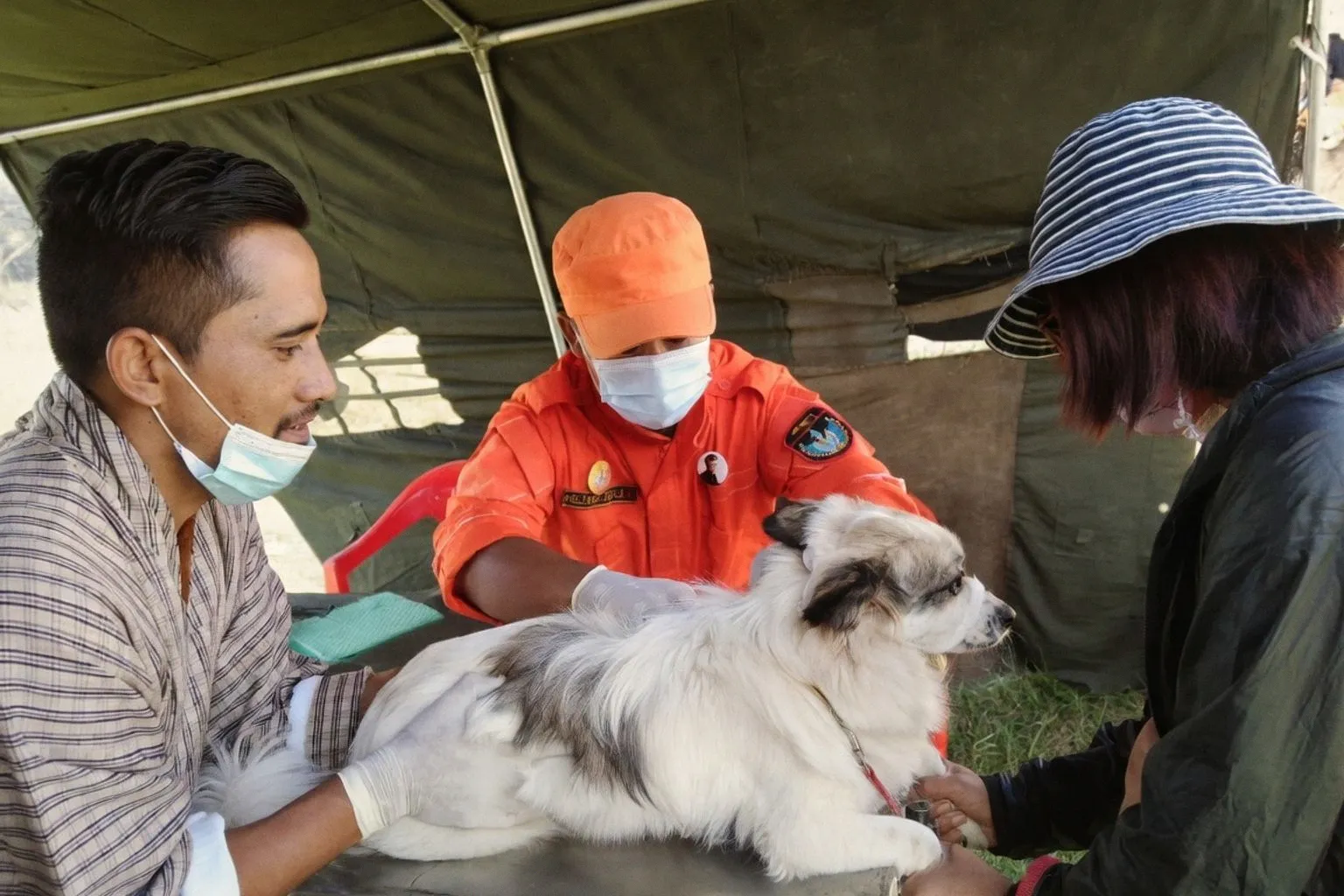
Since June 2023, Bhutan has reported zero human deaths from dog-transmitted rabies—a streak the World Health Organization has now officially validated. The country becomes the first in the WHO South-East Asia Region to eliminate this fatal disease as a public health problem, marking a significant logistical and public health milestone.
The Validation and Its Scale
WHO’s validation followed a rigorous two-phase assessment conducted in August 2026, which included a desk review of Bhutan’s dossier and a field mission. The review team verified evidence through facility visits, laboratory inspections, and consultations with stakeholders. This achievement underscores a successful multi-year resource allocation strategy focused on integrated surveillance and strategic planning across human and animal health sectors.
The Operational Framework: One Health in Practice
Bhutan’s success is attributed to over a decade of sustained investment in a One Health approach, coordinating actions between health workers, veterinarians, and community volunteers. The framework facilitates joint field investigations for suspected cases, optimizing human, animal, and ecosystem health. This systemic integration of vaccination campaigns, population management, and community awareness programs has effectively addressed the disease’s transmission vectors at the source.
Policy Implications and Regional Context
This validation provides a replicable structural model for other nations aiming to meet the 2030 goal of ending human deaths from dog-transmitted rabies. It demonstrates that elimination is achievable with strong national leadership and cross-sectoral solidarity. The focus shifts now to monitoring utilization rates of post-exposure prophylaxis and maintaining the infrastructure for sustained canine vaccination coverage to prevent any resurgence.