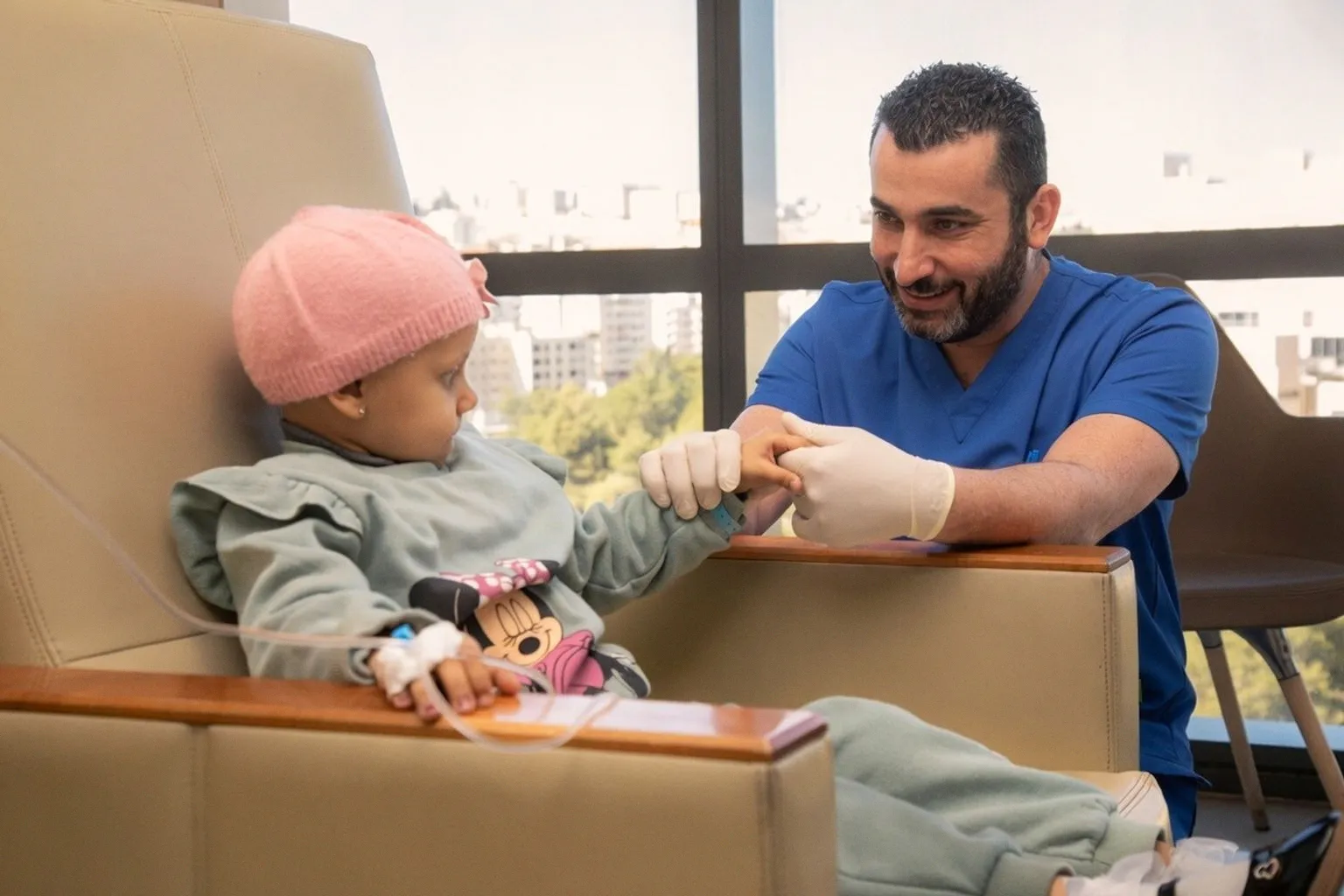
The World Health Organization (WHO) is addressing a stark access deficit: an estimated 400,000 children and adolescents develop cancer each year, and close to 90% live in low- and middle-income countries, where survival remains below 30%, compared with more than 80% in many high-income countries. The agency has opened its first invitation for manufacturers to submit childhood cancer medicines for evaluation through the WHO Prequalification Programme. The objective is to improve both medicine quality assurance and the practical suitability of treatment for children.
A supply problem, not only a clinical one
The WHO initiative covers 12 essential childhood cancer medicines. Six were prioritized because suitable child-friendly formulations are lacking. The other six were selected because documented access and supply gaps affect their availability.
The formulation deficit includes cyclophosphamide, etoposide, mercaptopurine, methotrexate, procarbazine and temozolomide. These medicines have established pediatric indications, but the available material indicates that age-appropriate formulations remain insufficient.
For a hospital or charitable clinic, this distinction is operationally important. A medicine can be listed in a treatment protocol and still be difficult to administer safely and consistently if dosing, stability, handling or storage requirements are poorly adapted to pediatric care. In resource-limited settings, those constraints can translate into delayed treatment, avoidable wastage or higher demands on already limited clinical infrastructure.
The 12-medicine pipeline
The second group includes pegaspargase, asparaginase, preservative-free hydrocortisone, dactinomycin, vincristine and cytarabine. These products were identified through horizon scans and consultations involving government agencies, health professionals, partners and technical experts.
The WHO’s approach is designed to connect country and programme needs with the development and procurement of quality-assured products. For the six medicines requiring improved formulations, target product profiles define minimum and optimal characteristics. These include age-appropriate dosing, acceptability, stability, safe handling, affordability and suitability for resource-limited settings.
That framework shifts the access question upstream. Instead of waiting for hospitals to manage unsuitable products, procurement agencies and manufacturers are being given a clearer specification for what the market should produce. The likely effect is not an immediate change in bedside treatment, but a more structured route from identified deficit to product development and evaluation.
What hospitals should monitor
The invitation is a market-shaping measure, not a confirmation that all 12 medicines are already available in new formulations. The next relevant indicators are manufacturer participation, product evaluation through the prequalification process and subsequent procurement pathways.
The programme is linked to the Global Platform for Access to Childhood Cancer Medicines, established by WHO and St. Jude Children’s Research Hospital in collaboration with UNICEF and the PAHO Strategic Fund. The platform is expected to reach approximately 120,000 children and combines product selection and procurement with country-led efforts to strengthen diagnosis, treatment, supply systems and quality of care.
For rural hospitals and charitable providers, the central issue will be implementation capacity. Quality assurance at the product level must be matched by reliable distribution, diagnostic infrastructure and treatment systems at the country level. Without that alignment, a better formulation may reduce one constraint while leaving the wider access deficit intact.