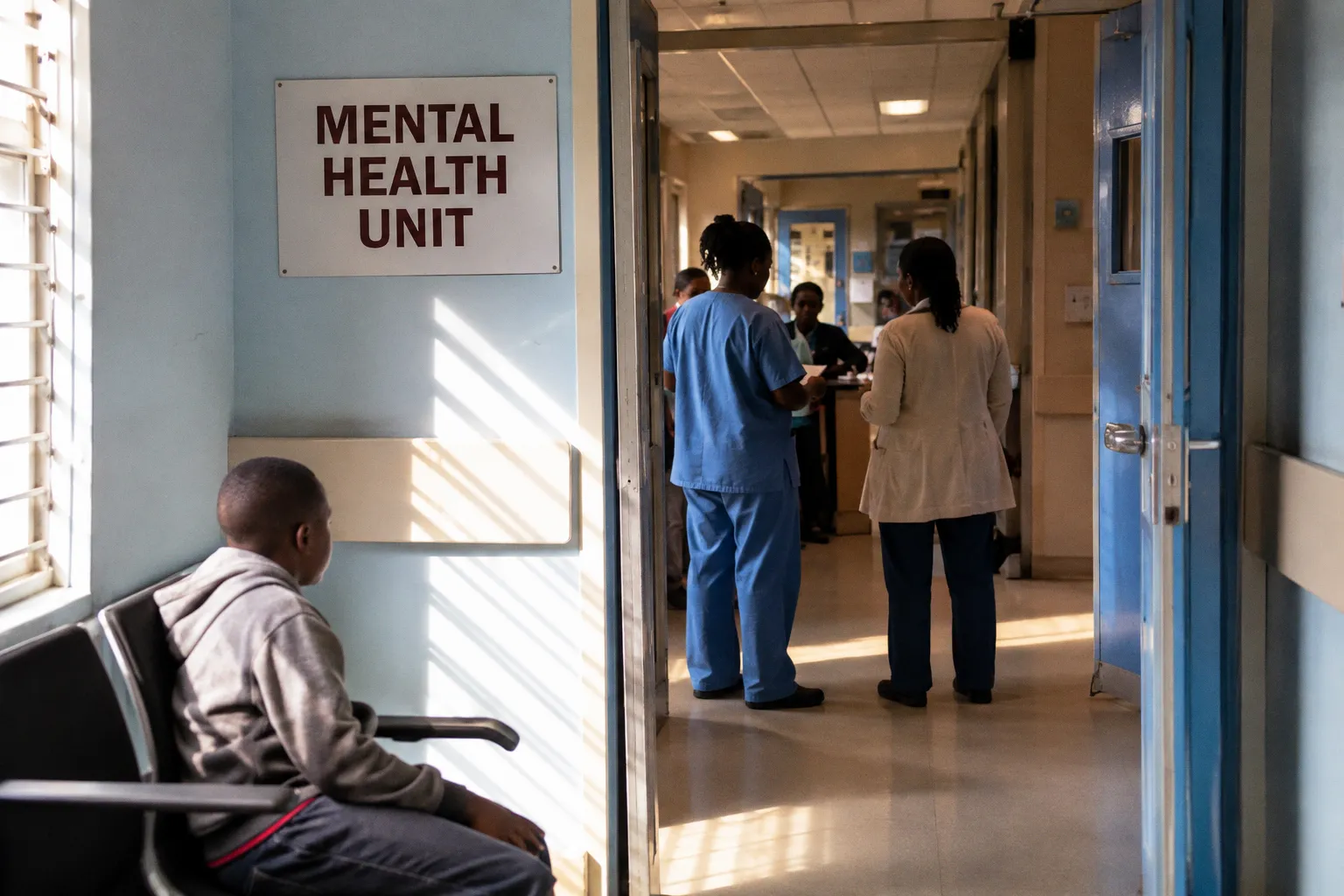
According to recent reporting, children as young as six are presenting to A&E in mental health crises, indicating a severe deficit in upstream community infrastructure and intervention pathways.
This pressure on acute care systems occurs as international bodies initiate new spotlights on mental health frameworks. The World Health Organization’s Regional Office for Africa has launched a dedicated “mental health spot,” signaling a formal recognition of systemic gaps in service provision across multiple regions.
Resource Allocation in Acute Settings
The utilization of emergency departments for pediatric psychiatric care points to a logistical disconnect. These settings are optimized for acute medical and surgical interventions, not long-term mental health stabilization. The presence of very young children suggests a breakdown in community-based screening and primary care access, forcing a shift of resource burden to the most costly and resource-intensive tier of the healthcare system. This pattern strains emergency staffing and diverts clinical space from other critical needs.
International Recognition of Systemic Deficits
The WHO’s focus on mental health within its regional programming aligns with global data indicating widespread underfunding in this sector. While specific metrics for the African region were not detailed in the available material, the designation of a dedicated “spot” represents a formal policy acknowledgement. Such initiatives typically precede calls for member states to re-examine budgetary allocations and integrate mental health into broader public health planning.
The convergence of these signals—a crisis in a high-resource nation and a formal advocacy spotlight in developing regions—suggests a global infrastructure challenge. The outcome to monitor is whether this recognition translates into measurable shifts in funding and the development of intermediate care facilities to divert cases from emergency rooms.