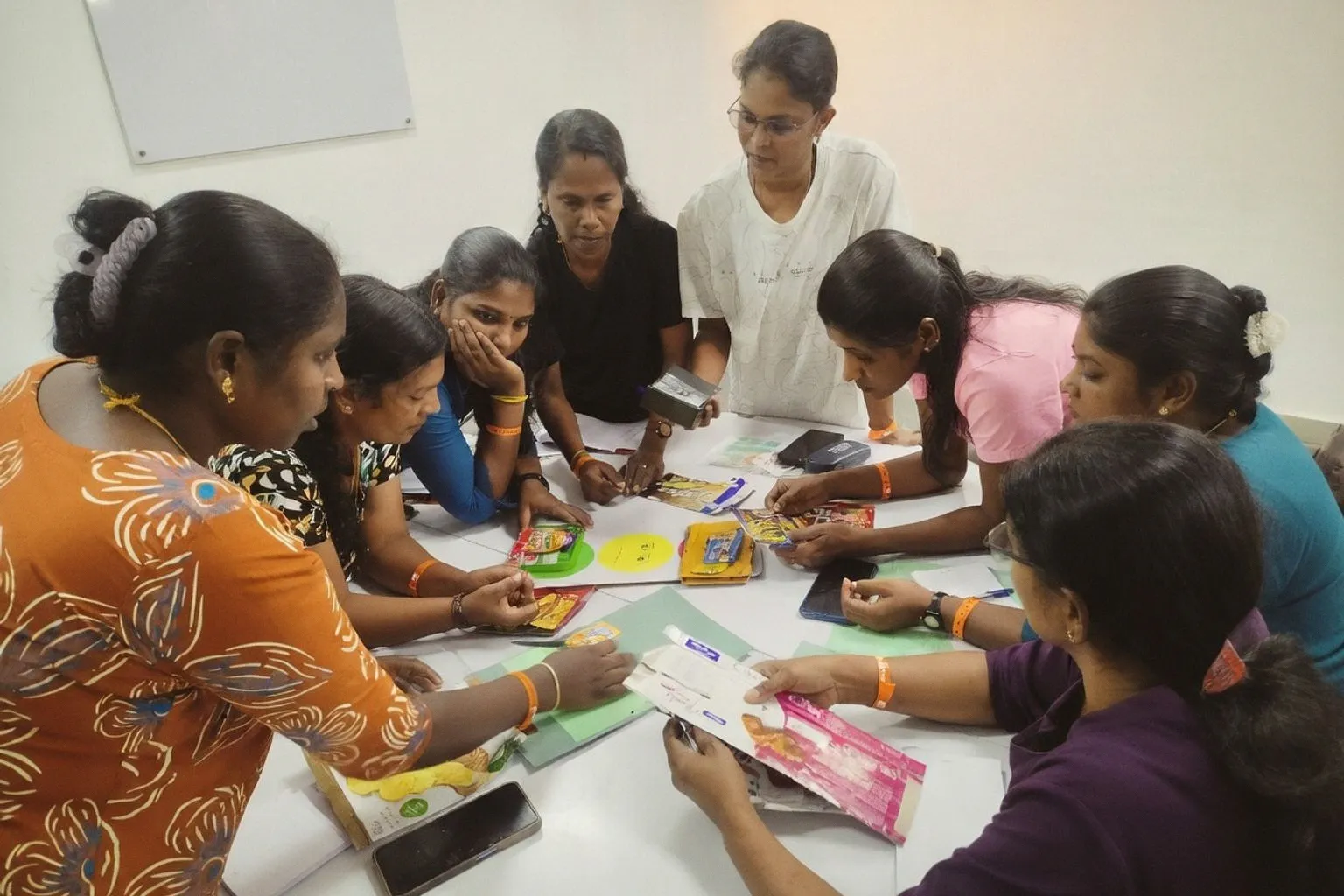
On the winding paths of Sri Lanka’s tea and rubber estates, the distance between a meal and a balanced diet can feel vast. According to the World Health Organization, unhealthy diets are a primary driver of noncommunicable diseases, and for estate communities, this risk intertwines with the logistical hardships of daily life. Now, the WHO is stepping in, shifting its support to the very workers who walk those paths daily—equipping frontline health staff to promote nutrition and healthy lifestyles where it matters most: at the neighborhood level.
The Groundwork of Change
The initiative targets what the WHO identifies as a “triple burden of malnutrition” affecting communities: undernutrition and micronutrient deficiencies existing alongside overweight, obesity, and diet-related illnesses. For frontline workers, this means their shift is no longer just about dispensing advice. The support focuses on practical training and resources, turning abstract guidelines into tangible interventions. Workers are being empowered to guide families toward adequate, balanced, and diverse food consumption—a resilience-building exercise that begins not in a clinic, but in a kitchen or a community garden.
From Policy to the Frontline
This model of care echoes in another recent WHO effort, bringing essential services closer to families in eastern Afghanistan with donor support. There, health workers provide timely treatment and follow-up in areas where a basic health centre can be a 90-minute walk away. In both Sri Lanka and Afghanistan, the strategy recognizes a shared truth: sustainable health starts with equipping the people embedded in the community. It’s about turning donor contributions into hands-on care, ensuring that advice on diet or injury prevention is delivered with kindness and continued through scheduled follow-ups.
A Reflective Shift
What makes this approach distinct is its focus on the everyday environment of care. It avoids sterile, top-down directives, instead investing in the groundwork of neighborhood health. The goal is to ensure that a parent in a remote estate or a village feels supported in making healthier choices, transforming a community’s relationship with food from one of risk to one of empowerment. It’s a reminder that the most profound health interventions often begin with a single, dedicated worker on a morning shift, equipped with knowledge and backed by global solidarity.