Public health leaders are formally examining how traditional medicine systems can be integrated into national health infrastructure. This shift, documented by the World Health Organization, moves the discussion from cultural practice to a matter of formal policy and resource allocation.
The WHO Strategy and Implementation Gap
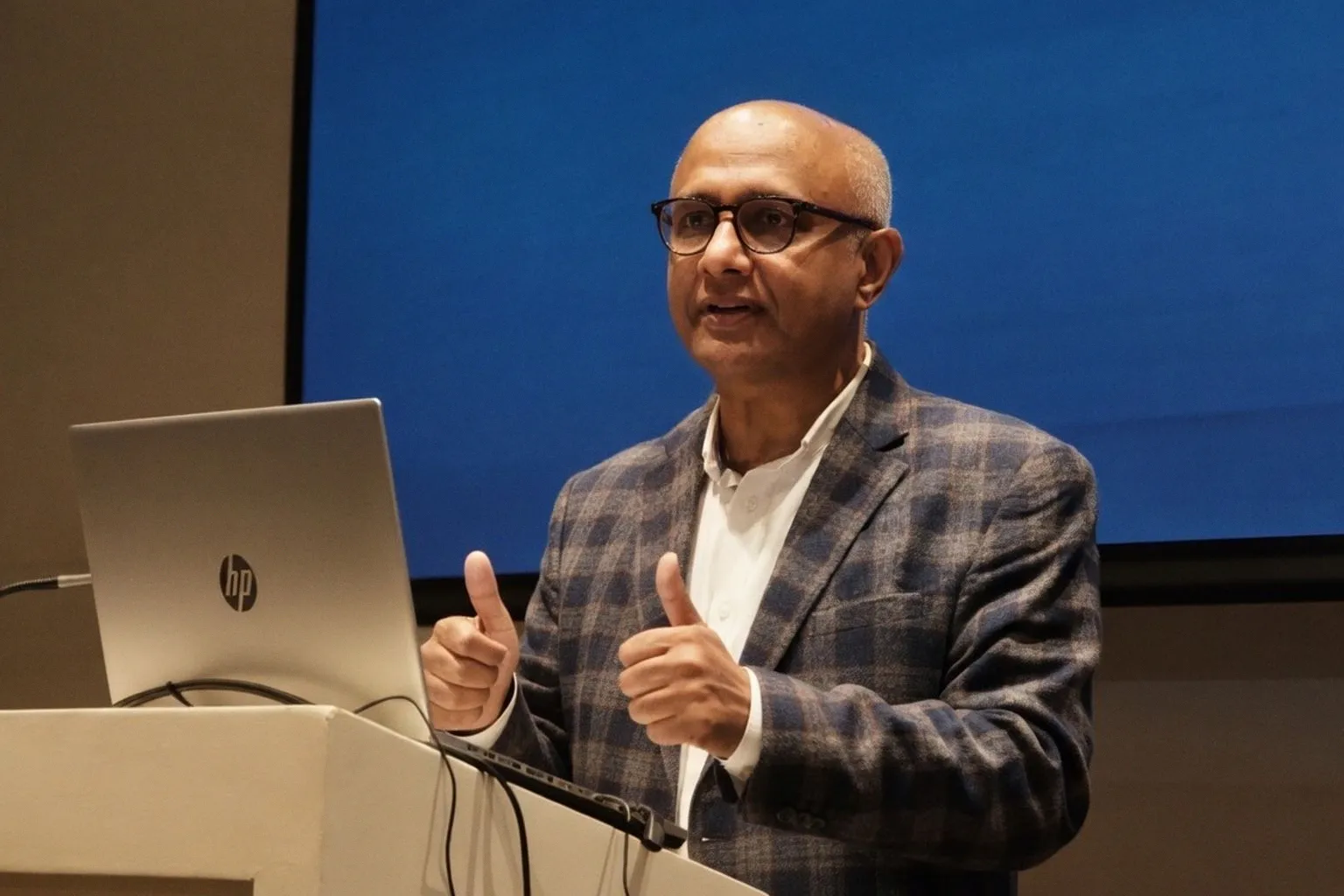
The recent World Congress on Public Health in Cape Town served as the venue for a workshop titled "Traditional Medicine and Public Health: Preparing for System-Wide Change." The session was anchored by the newly adopted WHO Global Traditional Medicine Strategy 2025–2034. According to Dr. Geetha Krishnan Gopalakrishna Pillai of the WHO Global Traditional Medicine Centre, strengthening the evidence base for traditional, complementary and integrative medicine (TCIM) is foundational to the strategy’s goals of safe use, effective regulation, and integration into health systems.
The data presents a significant discrepancy: most WHO Member States report widespread public use of traditional medicine, yet research investment remains disproportionately low. This gap between utilization rates and evidence generation constitutes a core systemic challenge. Without robust data, integrating these practices into formal care models introduces risk and hampers efficient resource allocation.
Prioritizing Research and Regulation
A major WHO-conducted research priority-setting exercise identified critical areas where investment could bridge the evidence gap. Analysis of the TCIM research landscape revealed priority sectors including mental health, stroke, pain management, and cancer. Cross-cutting issues such as antimicrobial resistance and the governance of artificial intelligence within this domain were also flagged.
Regulation emerged as a parallel infrastructure deficit. Experts highlighted that while many African nations have established legal frameworks for traditional medicine, implementation, quality assurance, and pharmacovigilance require substantial strengthening. The structural goal is to create formal accountability channels and collaboration between traditional and conventional practitioners, a logistical undertaking that requires new institutional frameworks.
Projected Impact on Health Systems
The strategic focus on TCIM represents a macro-level policy recognition. For charitable and community health organizations, this signals a potential shift in the regulatory and operational landscape they may navigate. The emphasis on "people-centred care" within the WHO strategy suggests future models may formally incorporate traditional practitioners into community outreach and primary care pathways.
The projected outcome, should evidence and regulation follow, is a more diversified health system workforce and service portfolio. However, the timeline for integration is contingent on closing the documented research deficit and building regulatory capacity. The policy trajectory is clear, but its concrete impact on hospital workflows and emergency protocols remains in a formative stage, pending these foundational investments.