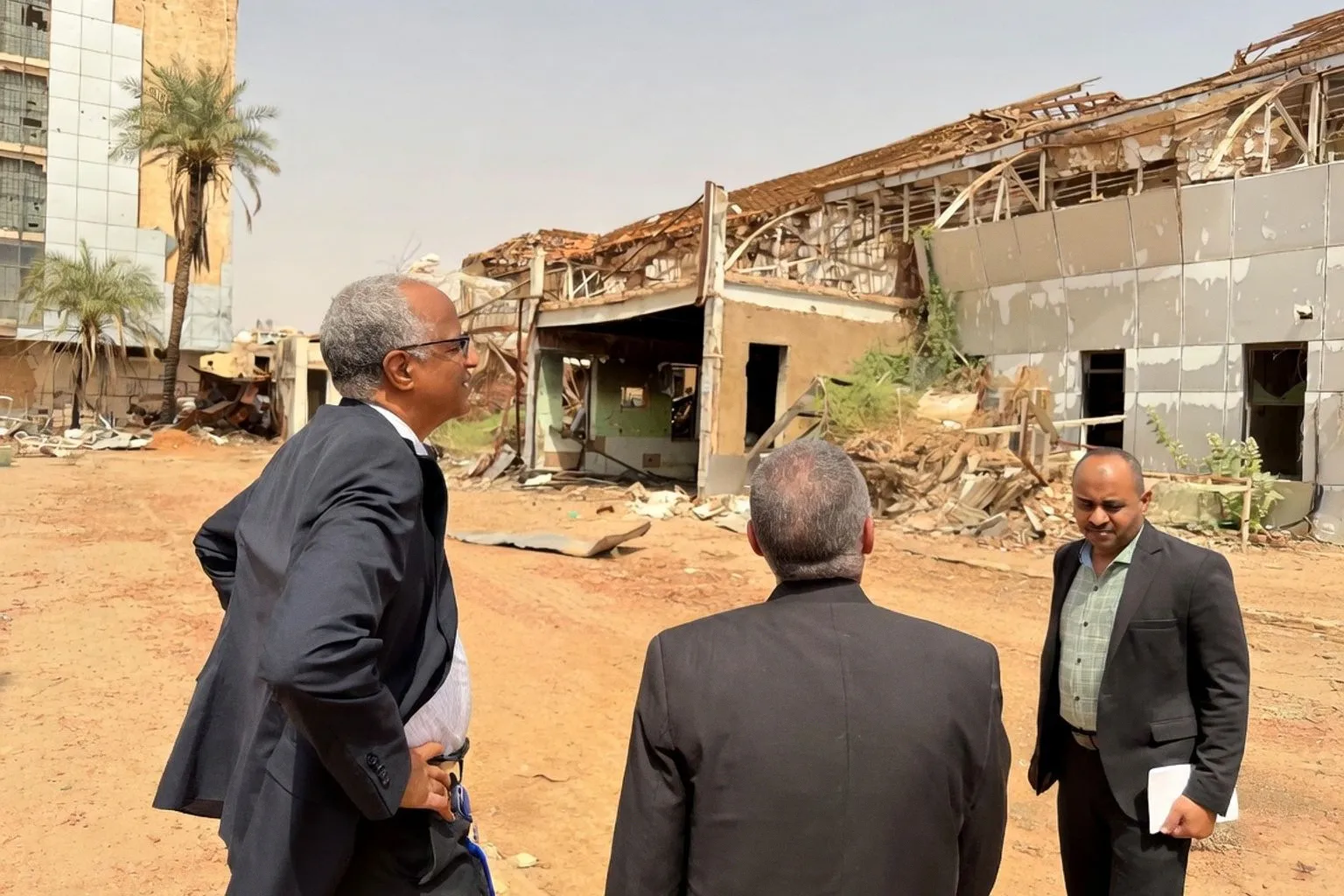
The visit places hospital recovery at the centre of a difficult, practical question for patients: when damaged facilities begin returning to service, which parts of care can safely resume first, and what support will make that possible?
A visit focused on hospital recovery
The WHO report describes the facilities as referral hospitals, meaning their condition matters beyond a single neighbourhood. These are places connected to the wider health system, where patients may be sent when local services cannot provide the care they need.
The visit was intended to assess the damage and discuss plans for restoring essential services with government and hospital authorities, according to the WHO. That makes the announcement more than a routine inspection. It is an early piece of groundwork for bringing damaged clinical infrastructure back into use.
For patients and families, however, preparation is not the same as reopening. A government may announce restoration plans while buildings, equipment and working conditions still limit what hospitals can safely provide. The WHO report confirms that the process is under way, but the available information does not set out a timetable for the return of specific departments or services.
What patients should watch for
The immediate issue is not simply whether a hospital building is standing. A referral service depends on a chain of working parts: clinical teams, usable treatment space, equipment, and the ability to receive patients safely. If one part of that chain remains unavailable, a hospital may not yet be able to resume its previous role.
That is why the WHO visit matters for community healthcare and charitable support. Restoration will require coordination between public authorities and health partners, while patients will need clear information about which services are open, which remain suspended and where referrals are being directed in the meantime.
The source does not provide detailed guidance for individual patients, nor does it identify the hospitals’ current operating capacity. Anyone seeking care should therefore verify service availability directly through the relevant health authorities or facility before travelling, particularly when a referral is involved.
Recovery will be measured on the ground
The most important test will come after the plans are announced, during the long shift from assessment to usable care. Patients will feel the difference not in the language of restoration documents, but at reception desks, treatment rooms and referral points: whether staff are present, whether essential services are functioning and whether people can be directed to care without another uncertain journey.
The WHO announcement signals attention to Khartoum’s damaged referral network, but it does not yet describe a completed recovery. The next steps to follow are the government’s restoration plans, the condition of individual services and the practical support available to hospitals as they work toward reopening.